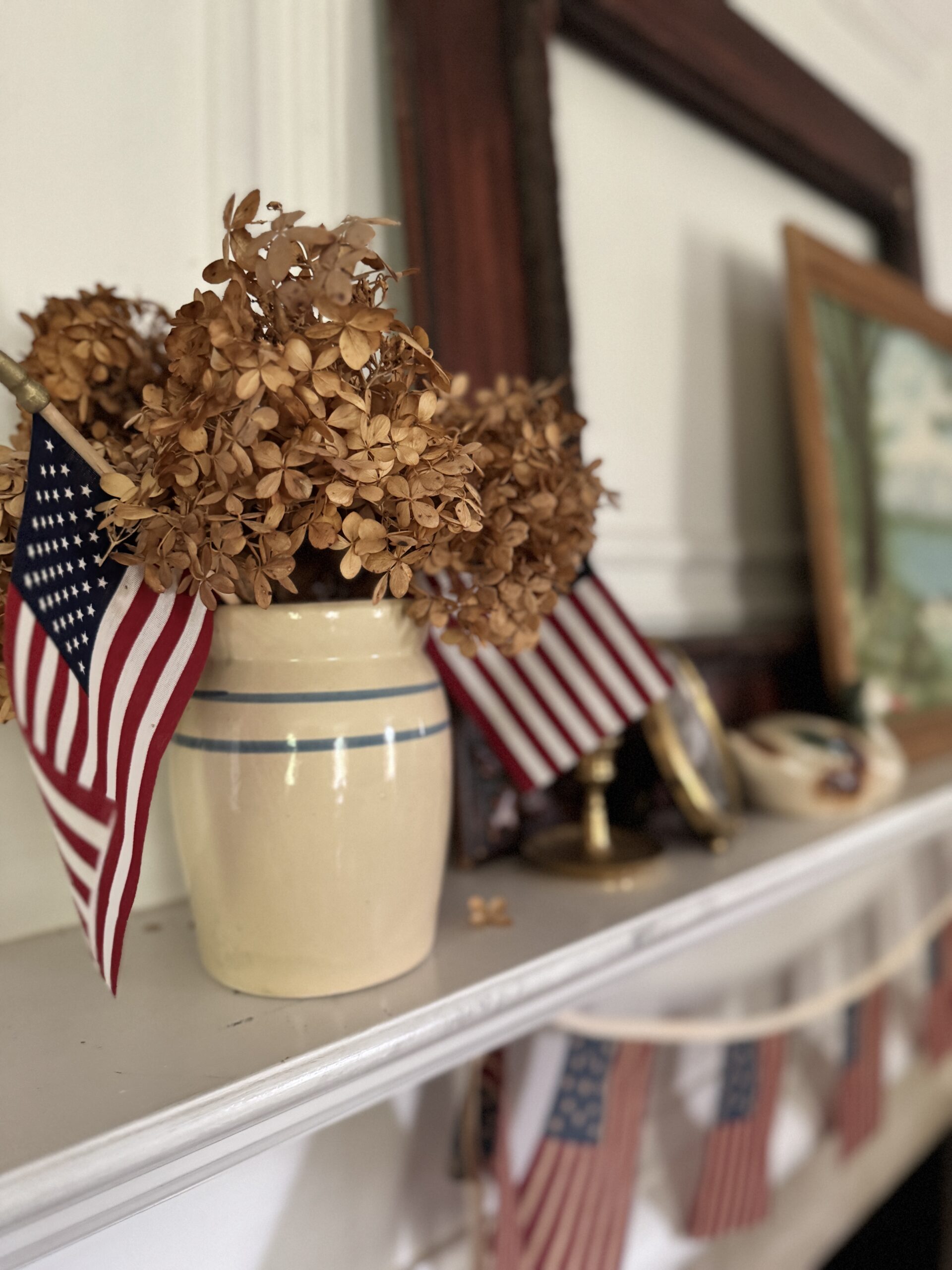
How to Make Your Home Feel Beautiful Without Spending Much

I’ve never had a decorating budget to speak of. For most of my homemaking years, money was tight and the house we live in was a long way from a magazine spread. But I wanted my home to feel beautiful and cozy — not for guests, not for Instagram, but for us. For the people who lived inside it every single day.
So I learned to work with what I had and see things differently. Over time, I came to believe something I still hold onto: a beautiful home doesn’t need to cost a lot of money. It’s something you create, and something you choose, on purpose, one small thing collected at a time.
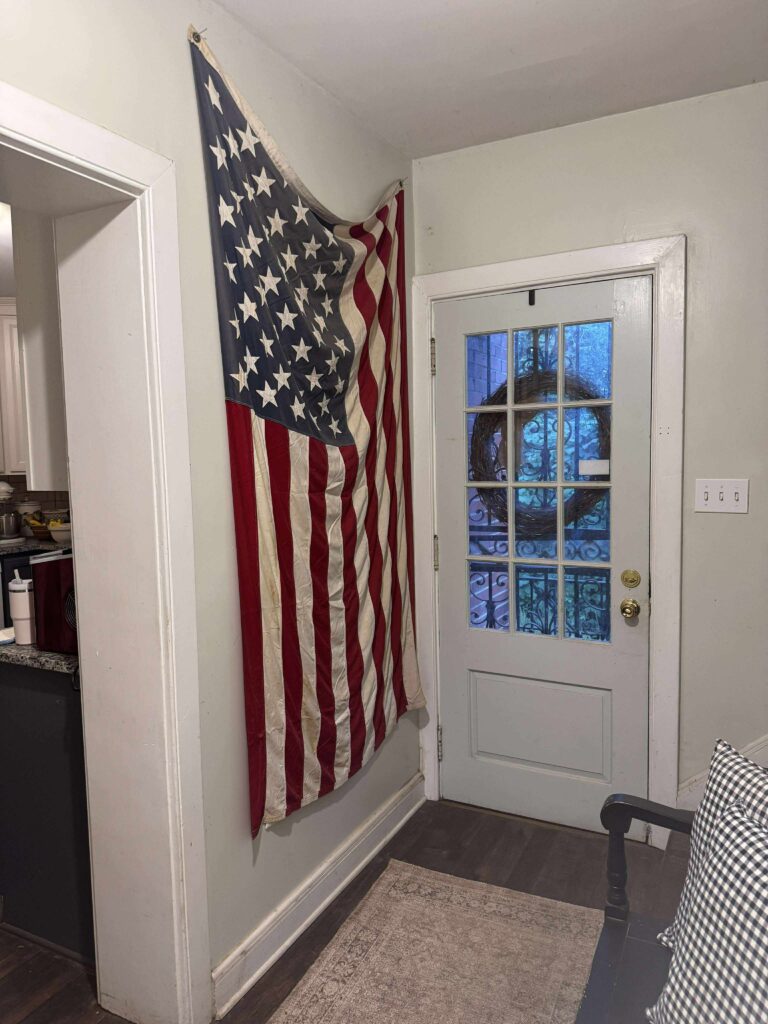
Here’s what that has looked like in my own home — and what I think it can look like in yours.
The Mindset Shift That Changes Everything
Most of us approach home decorating the way we approach a project with a finish line. We think: when I have the right furniture, the right budget, the right house — then it will feel beautiful.
But that’s not how it works. I’ve been in expensive homes that felt cold and unloved, and I’ve been in small, simple homes that felt like the warmest place on earth. The difference was never money. No, instead it was the attention to detail, the interesting finds, the family photos.
A beautiful home is one that has been paid attention to. Where someone noticed what was needed — a little warmth here, a bit of color there — and did something about it. Not a big something. Often a very small something.
That shift — from waiting until you have more to working intentionally with what you have now — is the whole foundation of making a home feel beautiful without spending much.
Look at What You Already Have
Before you buy a single thing, walk through your home slowly and really look. I’ve been a homemaker for over 35 years and I still do this when I am freshening up or redecorating a space.
Most of us have more than we think. A candle that’s still in the wrapper. A vase in the back of a cabinet that hasn’t seen water in two years. A quilt folded over the back of a chair that would look better draped over the arm of the couch. A stack of books that would make a beautiful surface for a small plant.
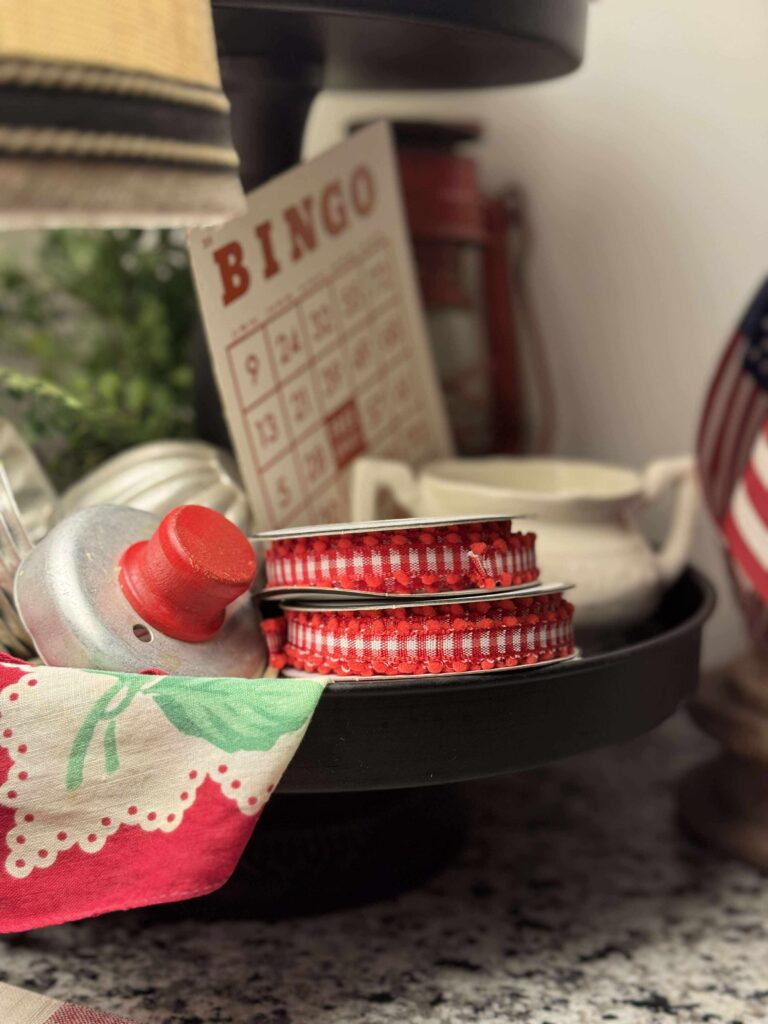
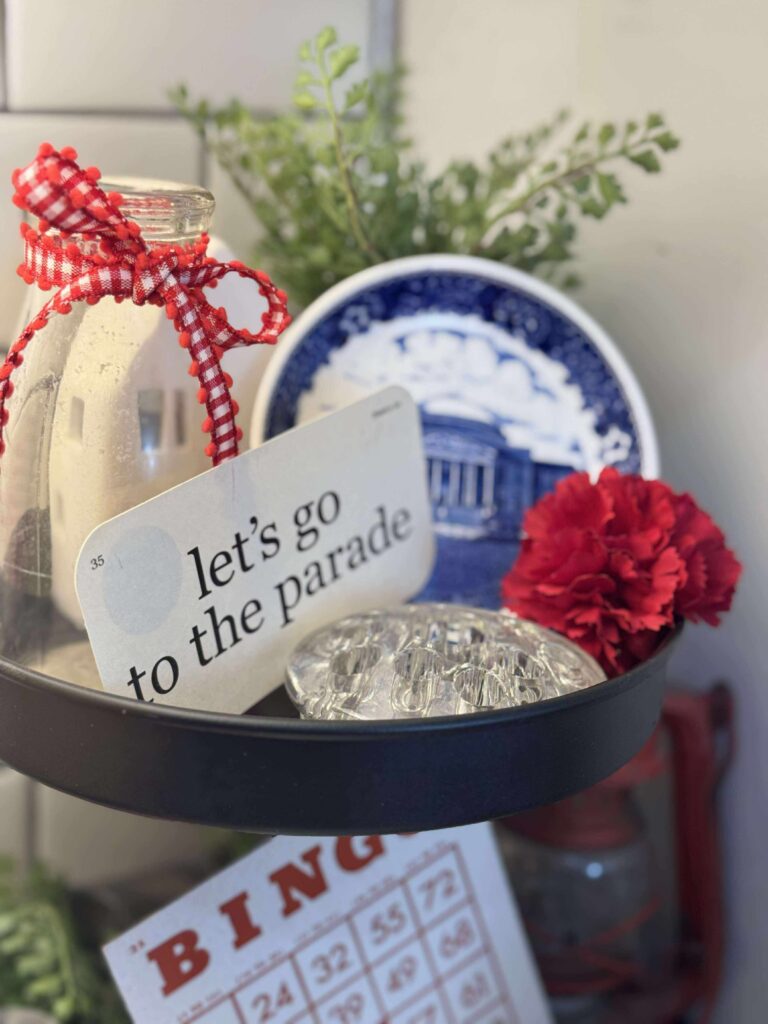
Rearranging what you already own is one of the most powerful and completely free tools you have. Moving one thing to a different room can make both rooms feel new. Grouping three small items together on a tray makes them look intentional instead of scattered. Clearing a surface of everything except one thing you love makes that thing look beautiful.
I’ve refreshed entire rooms this way many, many times. Just fresh eyes and a willingness to move things around until they felt right.
Bring the Outside In
This is one of my favorite ways to add beauty to a home at almost no cost — and it works in every season.
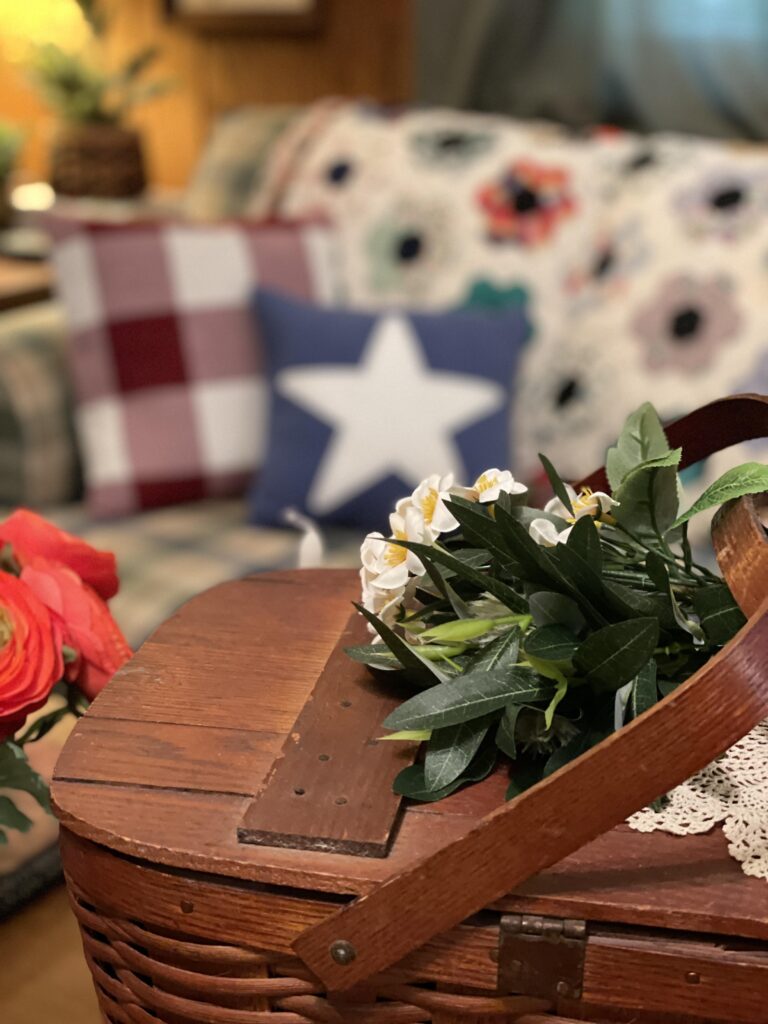
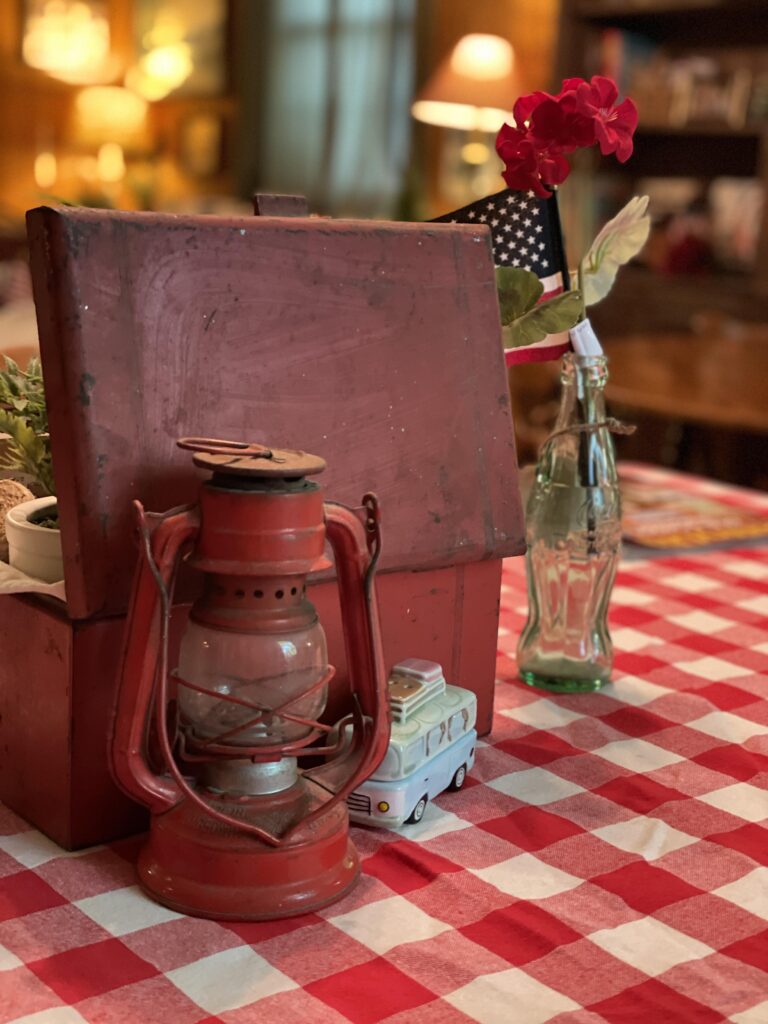
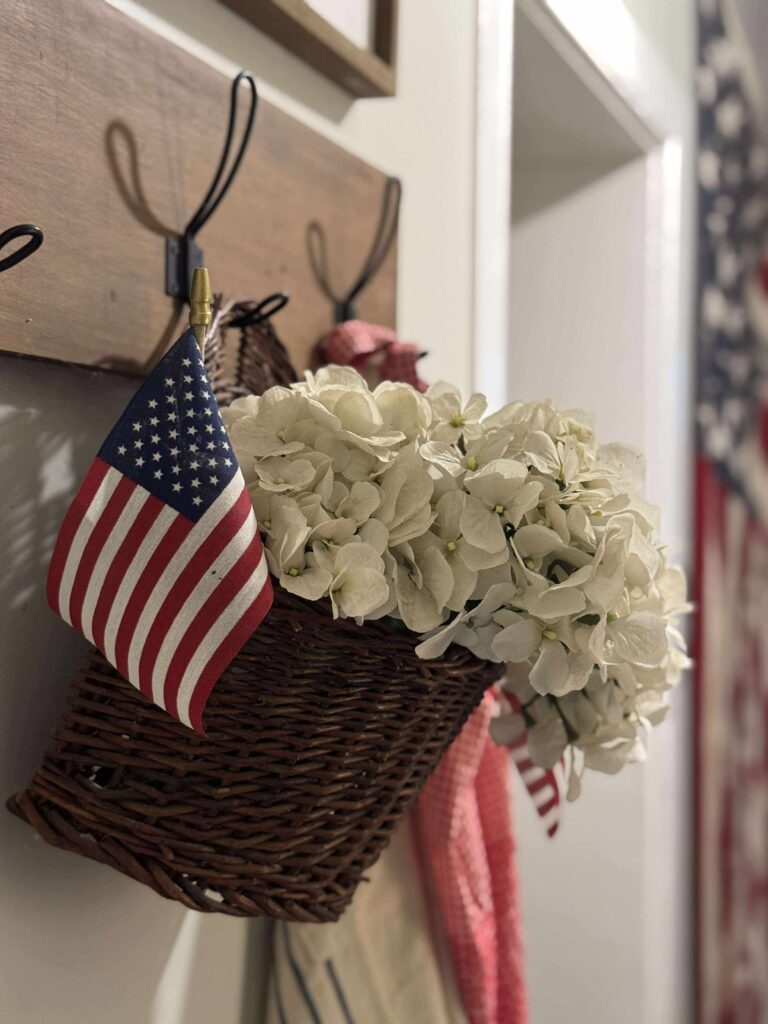
A jar of whatever is blooming in your yard on the kitchen table. A bowl of apples or lemons on the counter – bonus because you can eat them! A handful of autumn leaves tucked into a vase. Branches from a tree in a tall container by the door. Pine cones gathered on a walk and arranged on a wooden board.
Nature has a way of making any space feel alive and cared for, and most of it is right outside your door. You don’t need a florist. You just need to walk outside and look.
In summer, I bring in hydrangeas and basil in from the garden. In fall it’s branches with turning leaves and anything in orange or burgundy I can find. In winter I bring in cedar branches and holly. And in the spring, it’s whatever is blooming first — tulips or daffodils, whatever the yard offers.
A single stem in a simple jar can make a kitchen feel beautiful. Don’t underestimate it.
Train Your Eye at the Thrift Store
I’ve furnished and decorated most of my home with thrifted and secondhand pieces, and I wouldn’t have it any other way. There’s something I love about objects that have a history — a lamp that sat in someone else’s home for thirty years, a piece of ironstone that has been on a table in someone’s kitchen since before I was born.
But thrifting well takes a trained eye and patience. Here’s what I’ve learned.
#1 Go often and go without a specific list. The best thrift or antique store finds are rarely the thing you went looking for. Go regularly, browse slowly, and let the store show you what it has. You’ll start to recognize quality and potential quickly.
#2 Look for good bones, not perfect condition. A lamp with a great shape can get a new shade for twenty dollars. A wooden frame that’s the wrong color can be painted in an afternoon. A ceramic vase with a chip on the bottom still holds flowers beautifully. Ask yourself: is the problem cosmetic? Most thrift store problems are.
#3 Know your colors. If you know the colors that work in your home — your walls, your furniture, your general palette — you can spot things that will fit in quickly. I gravitate toward creams, soft blues, greens and reds, and warm neutrals. Those are the colors of my home and I can spot them across a crowded thrift store shelf.
#4 Be patient and don’t force it. The best thrifted pieces are the ones you didn’t need but couldn’t leave. The ones that felt like they belonged in your home the moment you picked them up. Don’t buy something just because it’s cheap. Wait for the things that are genuinely right.
The Power of One Good Thing
Here is something I have found to be deeply true: one thing done well is more beautiful than ten things done halfway.
One good candle on the table — really good, the kind that smells wonderful — does more for a room than a shelf full of clutter. One fresh flower in a simple vase on the counter is more beautiful than a dozen artificial arrangements. One piece of meaningful art on an otherwise bare wall is more beautiful than three mediocre prints crowded together.
We often try to fill our homes with beauty when what they need is one thing that’s genuinely lovely. When you’re working with a small budget, this is actually an advantage. You have to choose. You have to be selective. And selective, intentional choices almost always result in a more beautiful home than a room full of things bought quickly and without much thought.
Very often when I go out thrifting and antiquing, I’ll fill my cart with more things I like than I have money in my pocketbook. And then, before I get to the checkout, I’ll decide which pieces truly belong in my home. Having a tight budget helps me be more selective and creative when choosing which decor pieces to decorate with.
My challenge to you: pick one room. Clear the surfaces of everything except one or two things you genuinely love, and then live with it that way for a week. Come back a week later and see how the room feels.

Small Investments That Pay a Long Return
There are a few things worth spending a little money on when you can — not much, but a little — because they pay a return in daily beauty that far outweighs the cost.
Good candles. Not elaborate, not expensive — just real wax, a scent you love, and a match. Lighting a candle at dinner transforms an ordinary meal into something that feels like a small occasion. This is one of the cheapest and most reliable ways to make your home feel beautiful every single day.
A houseplant or two. Living things make a space feel cared for and alive in a way that no object can. Start with something easy — a pothos, a snake plant, a philodendron. Something that’s hard to kill and grows visibly. Watching something grow in your home is its own kind of daily beauty. Tip: I love collecting clippings of houseplants from family members. It’s free, and each plant comes with a story!
One good throw blanket. The kind that’s soft enough to actually use and looks beautiful folded over the arm of the couch or the end of a bed. Used daily, this is one of the most worth-it small purchases I know of. Bonus if your grandma or friend (or you, haha) likes to crochet!
Fresh flowers, occasionally. Not every week — occasionally. A five-dollar bunch of tulips from the grocery store in early spring. A handful of sunflowers in August. A few white roses for no reason at all. Used sparingly, occasional fresh flowers feel like a treat rather than a routine, and that makes them more beautiful for it. My dad always tells my mama to get herself a bouquet when she goes to the grocery store, so she always has fresh flowers on the kitchen table!
Beauty Is a Practice, Not a Project
What I want you to hear in all of this is that making your home beautiful is not a project you finish. You’ll never be truly finished decorating your home.
It’s noticing, on a Tuesday morning, that the kitchen windowsill needs something — and going outside to cut a few stems. It’s moving the candle from the shelf to the table. It’s folding the vintage quilt differently. It’s picking up one good thing at the thrift store and finding exactly the right place for it.
None of these things costs much. All of them add up. Over months and years, a home becomes beautiful the way most good things become — slowly, on purpose, through accumulated small choices, and collected pieces.