How to Start Family Traditions That Actually Stick

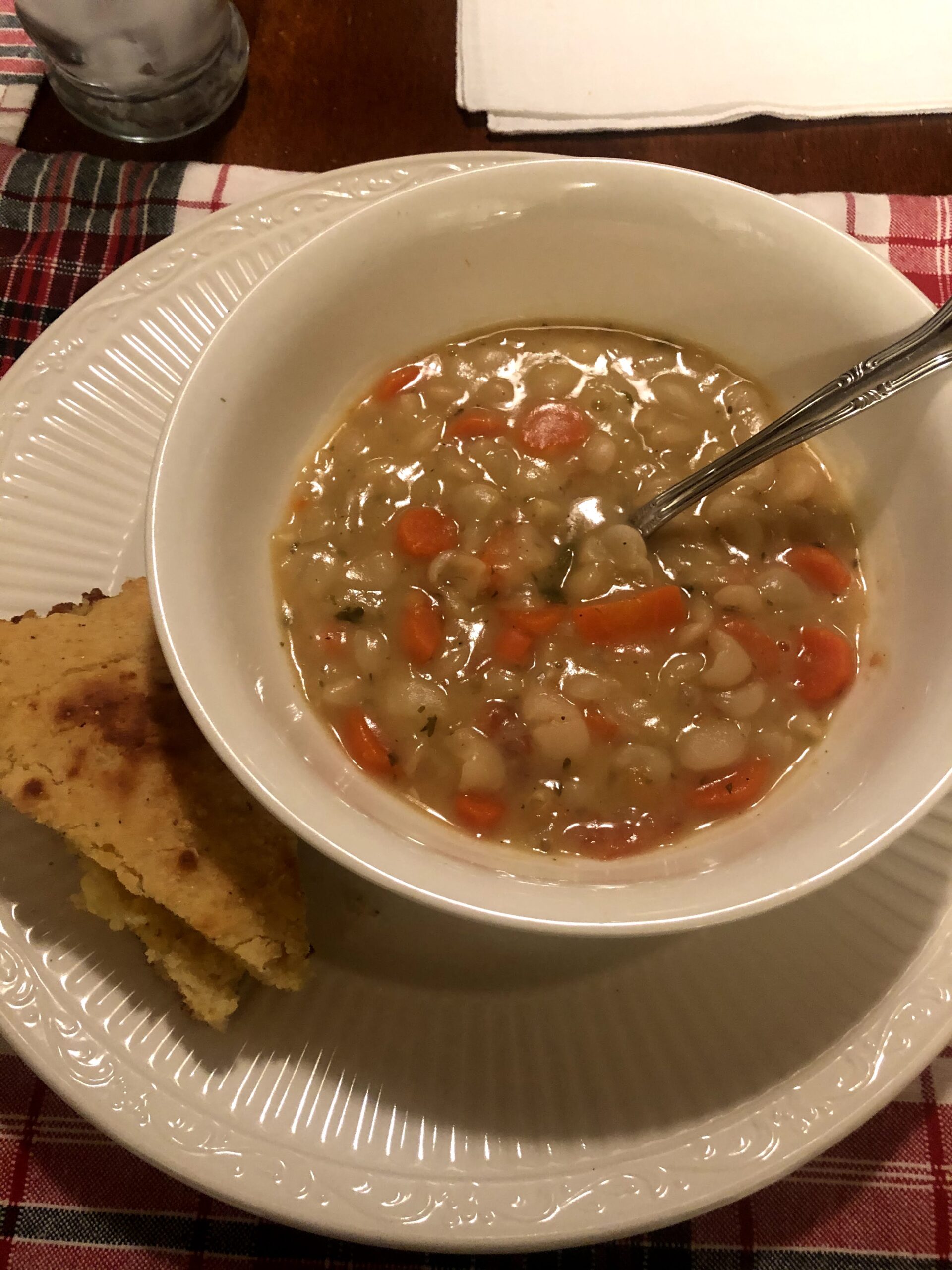
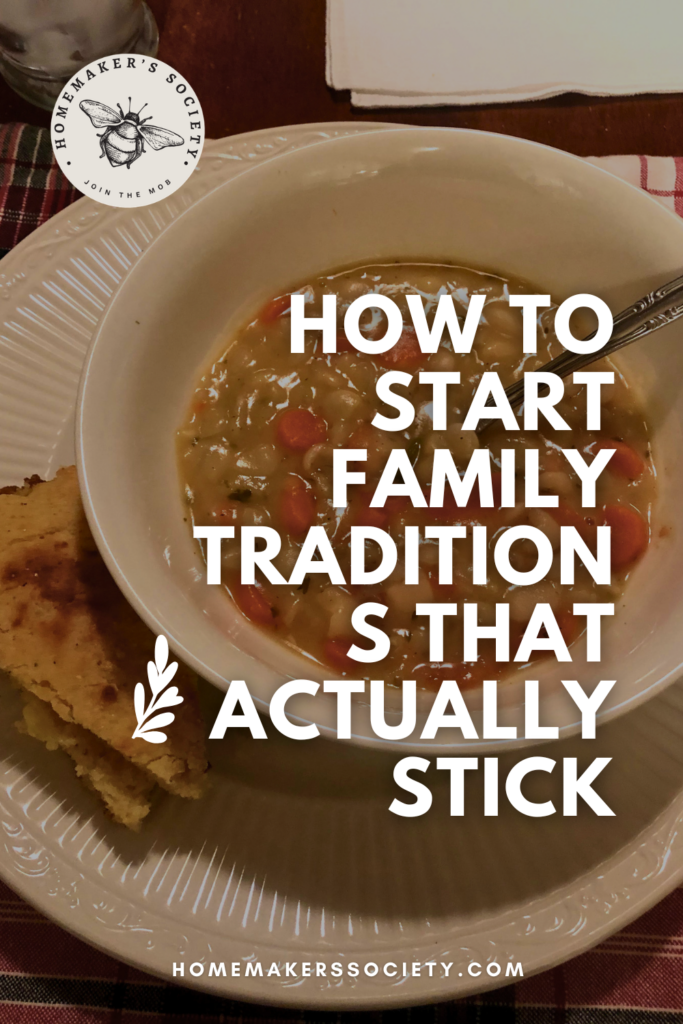
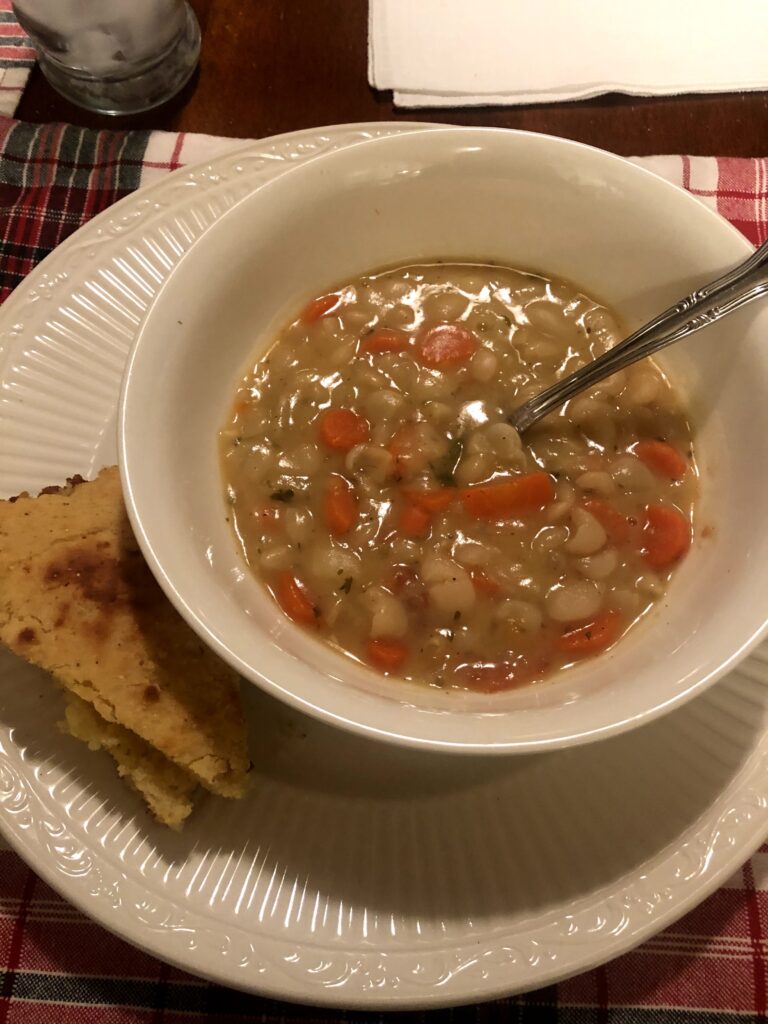
My mama made the same bean soup and cornbread every single time the temperature dropped. I don’t know when it started. I don’t think she ever decided to make it a tradition — it just became one, the way the best things do. Quietly, and on purpose, repeated until it was simply part of who we were. When fall came, you expected that soup, and when you smelled it bubbling on the stove, it felt like home.
That’s what a family tradition does. It doesn’t just mark time — it makes something. An identity. A language only your family speaks. A thread that runs from the people who came before you to the children who will carry it forward.
And the beautiful thing is that you don’t have to have grown up in a home full of rich traditions to build them. You can start today, with the family you have, in the season you’re in. Here’s how:
Why Traditions Matter More Than We Realize
We tend to think of family traditions as nice extras — the kind of thing you get around to when life slows down. But research on family life tells us something different: children who grow up in homes with consistent rituals and traditions have a stronger sense of identity, greater resilience in hard times, and a deeper connection to the people they love.
The traditions don’t have to be grand. In fact, the smaller and more repeatable they are, the better they work. It’s not the elaborate Christmas production that your children carry into adulthood — it’s the same ornament they put on the tree every year. The same song you sing on birthdays. The way your family always does Sunday mornings.
Repetition is the whole point. A tradition only becomes a tradition when you do it again and again.
The Two Kinds of Traditions Worth Building
Before you start adding things to your family’s rhythm, it helps to know what you’re actually building toward. There are two kinds of traditions worth thinking about separately.
Seasonal and annual traditions are the ones tied to a specific time of year — the things that happen in October, or at Thanksgiving, or every first day of school. These mark the passage of time and give your family a sense of the year having a shape. They’re the most memorable and the easiest to photograph, which is why most people start here.
Weekly and daily traditions are quieter and often more powerful. Friday movie night. Sunday pancakes. Family night worship. The way you always say grace before dinner. The bedtime prayer you’ve said over your children a thousand times. These are the ones your children will feel in their bones — the rhythms that tell them, even before they have words for it, that this is a safe and ordered world and they belong in it.
Both matter. But if you’re just starting out, the weekly and daily ones are where I’d begin. They’re easier to keep because they happen more often, and repetition is what builds a tradition in the first place.
How to Choose Traditions That Will Actually Stick
The reason most family traditions don’t last is that they’re built around an ideal version of family life rather than the actual one. Someone pins a beautiful holiday idea, tries it once, and then never gets around to it again because it required too much, cost too much, or just didn’t fit the way the family actually lives.
A tradition that sticks has three things going for it.
#1 It’s simple enough to repeat without much planning. The soup my mama made didn’t require a special trip to the store. The ingredients were always in her pantry. It could happen on a Tuesday when the weather turned cold. That’s a tradition that sticks — one that doesn’t need to be scheduled weeks in advance or require conditions to be just right.
#2 It connects to something your family already loves. The best traditions grow out of things you already do. If your family already loves being outside, a tradition built around that will have staying power. If your kids already light up at a certain kind of food or game or activity, start there. You’re not inventing something from scratch — you’re noticing what’s already there and deciding to repeat it.
#3 It has a feeling attached to it, not just an activity. The most powerful traditions evoke something — warmth, anticipation, belonging, joy. When you’re thinking about what to start, ask yourself: what do I want my family to feel? That feeling is the tradition. The soup, the ornament, the game — those are just the vessels that carry it.
Where to Start — Practically
If the idea of building family traditions feels overwhelming, here’s a simple place to begin.
Pick one season and one tradition. Just one. Not a full holiday plan, not a yearly rhythm for all four seasons — one tradition for one season. For many families, fall is the easiest starting point because the cooler weather naturally draws people inside and toward togetherness.
What does your family love about fall? Start there. Maybe it’s a soup you make every October. A particular drive to see the leaves. A movie you watch together as soon as the temperature drops. A Saturday morning when everyone helps rake and then gets something warm to drink afterward.
Write it down. Put it on your wall calendar. Do it this year. Then do it again next year. That’s a tradition.
Then add slowly. One tradition per season is more than enough to start. As your family grows and your life finds its rhythm, you’ll naturally add more — or you’ll notice that something you’ve been doing for years has become a tradition without you even deciding to make it one. That’s how it usually works.
Ideas to Get You Started
If you’re looking for a place to begin, here are some of the simplest and most enduring traditions families come back to year after year.
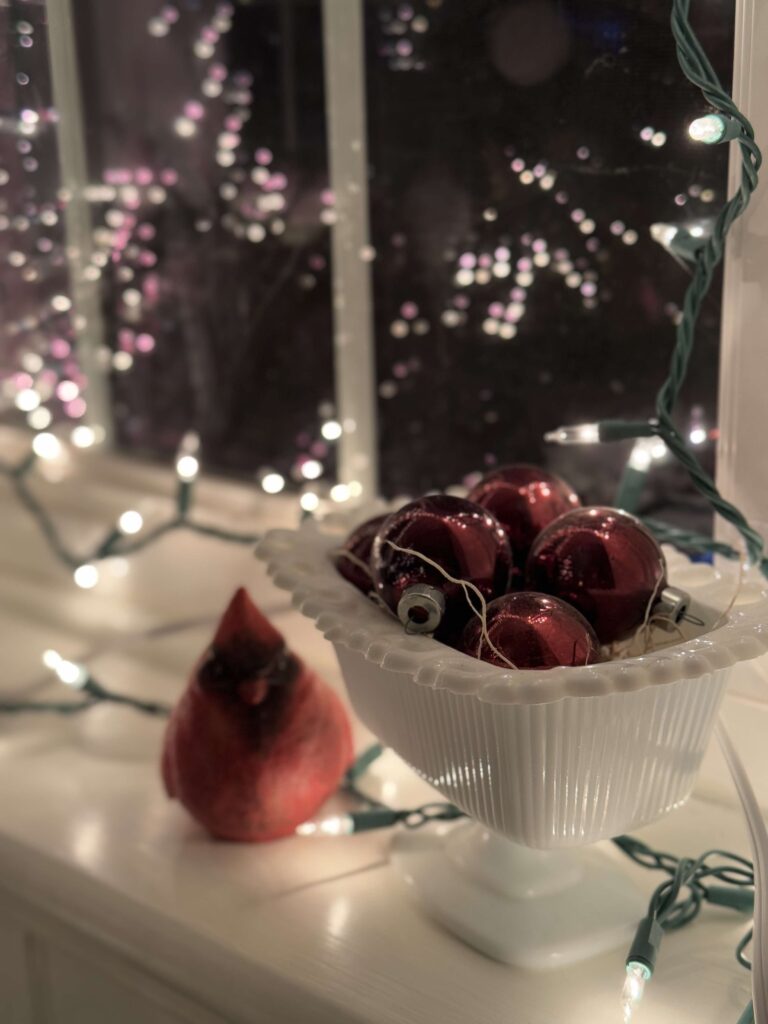
For fall and winter: a soup or chili you make every year when the temperature drops, a specific meal on Thanksgiving Eve that’s just for your immediate family, the order in which your family opens Christmas gifts, a December tradition of driving to look at lights with hot chocolate in hand, a New Year’s Eve game or meal that repeats every year. One of our favorite traditions is going to pick out a real Christmas tree and coming back to decorate it with ornaments the kids have collected over the last 25+ years. My grown kids still come home to do this with me every year!
For spring and summer: a special breakfast on the first day of school, a garden you plant together every spring, a summer bucket list you make as a family in June, a birthday tradition that’s the same for every person (the birthday breakfast, the birthday dinner of their choosing, the same song sung the same way every time).
For weekly rhythms: Friday pizza and a movie, Sunday pancakes or waffles, a weekly family walk or drive, grace said the same way at every dinner, a bedtime routine that ends the same way every night.
For faith traditions: a family devotion on Friday nights, a prayer you say together before a meal, a Scripture you memorize together each season, a way of marking the Sabbath that makes it feel different from every other day of the week.
What to Do When Life Interrupts
Here’s the honest truth about family traditions: they will get interrupted. There will be years when you’re too tired, too sick, too busy, or too sad to do the thing you’ve always done. There will be seasons when your family is in transition, and nothing feels settled enough for a tradition to take root.
That’s okay. A tradition doesn’t have to be perfect to be real. It doesn’t have to happen every single time to count. What makes it a tradition is the intention to return to it — and the returning.
When you miss a year, you go back the next year. When the children grow up and come home, you do it again. When they have their own families, they take pieces of it with them — the soup, the song, the game — and it becomes something new in a new home.
The Gift You’re Actually Giving
I’ve been homemaking for over thirty years, and I can tell you this with certainty: your children will not remember how clean your house was. They will not remember whether the decorations were Pinterest-worthy or the food was perfect.
They will remember the soup. The game. The song. The way your home smelled on a certain night in October. The thing you always did that told them, without words, that this family has its own way of doing things — and they belong to it.
That’s the gift you’re building when you start a tradition. Not just a memory. A belonging.
Mama, you are building something that will outlast you. That’s worth more than you know.