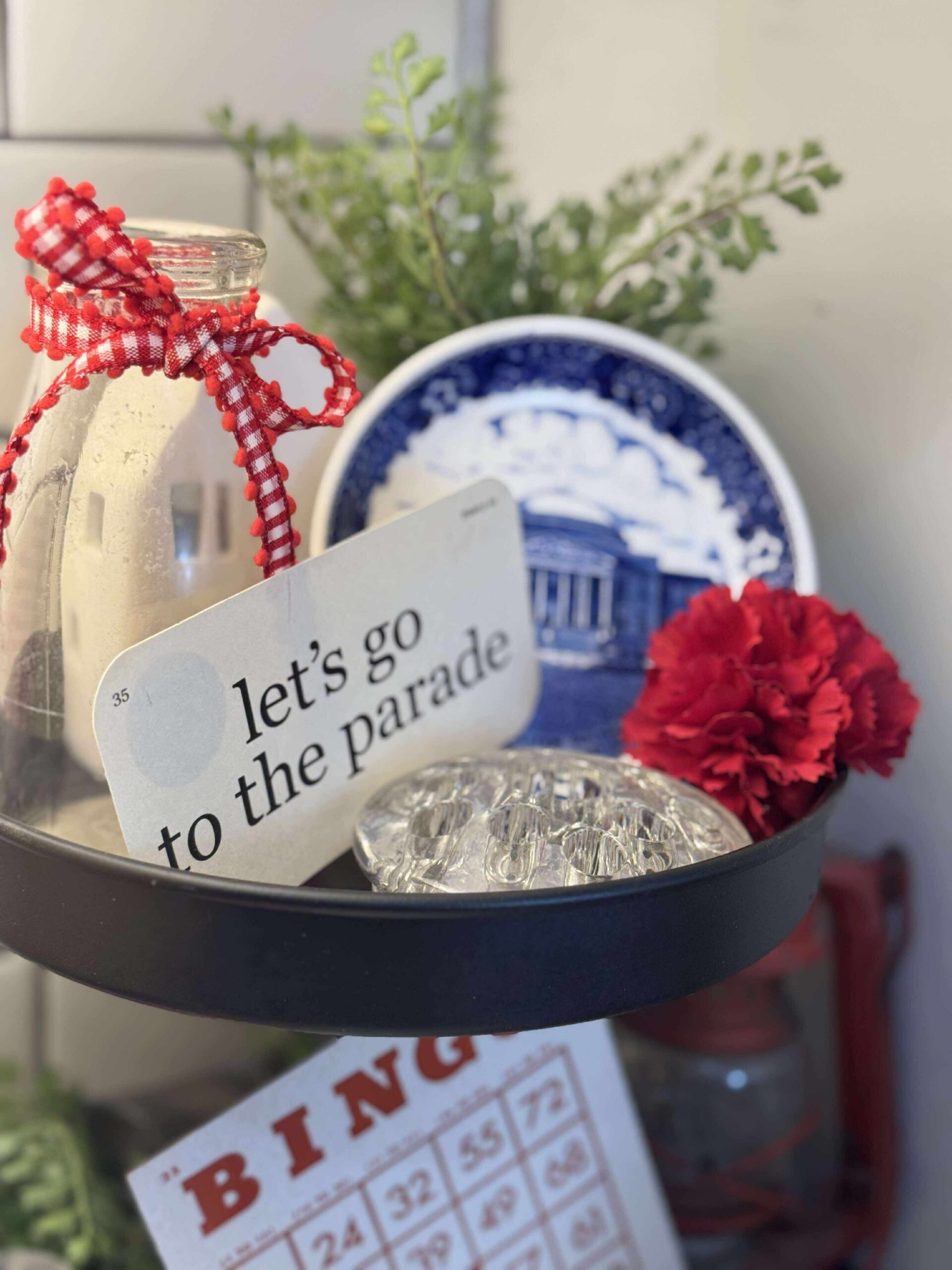
How to Celebrate the Seasons at Home

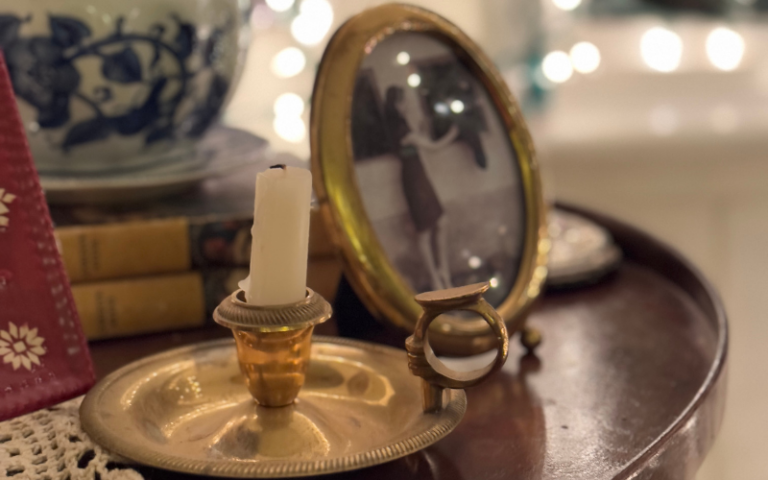
There’s something that happens in late September, every single year, in my kitchen. I pull out a particular vintage quilt. I make a big pot of soup — usually my mama’s bean soup recipe – and a skillet of homemade cornbread. I light a candle that smells like cinnamon and cloves. And just like that, without much fanfare, fall has arrived in our home.
Nobody planned it exactly; it just became what we do. That’s when you know something has become a real seasonal tradition — when its absence is felt.
That’s what I want to talk about today. Not elaborate holiday productions or beautiful tablescapes that take three days to put together. I’m talking about the small, repeatable ways you can mark the changing year so that your home feels alive to the season it’s in — and your family feels it too.
Why Seasons Matter in the Home
We live in a culture that has mostly flattened the year. The same produce is available in January that’s available in August. The same temperature holds inside no matter what’s happening outside. The same routine runs through fall and winter and spring and summer without much acknowledgment that anything has changed. And when you go shopping, holiday decor is put out months before the holiday arrives. Ugh.
But, the fact is, the seasons are still changing. And there’s something in us — something old and deep — that responds to that. Children especially feel it. They want the year to have a shape. They want October to feel like October and December to feel like December and April to feel like something different from everything that came before it. To be honest, I do too!
When you mark the seasons in your home, you give your family a sense of time that doesn’t come from a screen. You give them something to anticipate. You give the year a rhythm that feels intentional rather than accidental. And what’s really cool is that it doesn’t take much.
What Seasonal Celebrating Actually Looks Like
But, here’s the thing I want to be very clear about. Celebrating the seasons does not necessarily mean buying seasonal decor from a home goods store four times a year and storing it all in tubs in the attic.
It can look like that. But it doesn’t have to, and for most of us it doesn’t.
What it really looks like is this:
A meal that only happens in one season. Soup in the fall. Something with strawberries when they’re actually ripe in early summer. Eating locally and seasonally. A particular kind of cookie at Christmas that nobody makes at any other time of year – in our house, it’s cheese crackers, date balls, and thumbprint cookies.
The food doesn’t have to be complicated — it just has to be seasonal and repeatable, so that smelling it or tasting it immediately tells you which time of year it is.
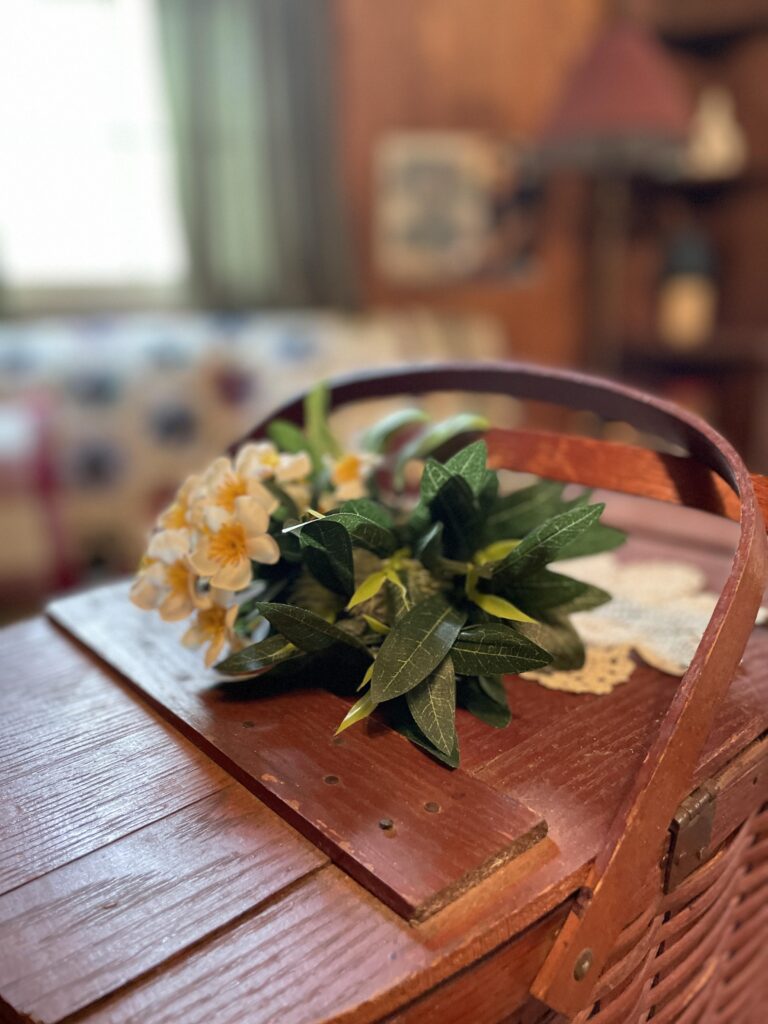
Something in the home that changes. It doesn’t have to be a whole decorating scheme. It can be as simple as a candle scent that you only burn in fall, or a particular set of dish towels that come out at Christmas, or fresh flowers from the garden in the summer that give way to dried arrangements in autumn. One thing that signals the shift.
A ritual that marks the beginning. The first fire of fall. The first time you open all the windows in spring. The first evening of the summer where you eat dinner outside. These small first-times are worth noticing and even worth making something of. They don’t need to be big — they just need to be acknowledged.
Something for your children and grandchildren to look forward to. This one matters more than almost anything else. If your children know that something specific and wonderful happens in a particular season, they will start counting down to it weeks ahead of time. That anticipation is part of what makes a season feel like a season. And it’s in the anticipation, the waiting, that excitement around a tradition builds.
A Simple Framework for All Four Seasons
If you’re starting from scratch and don’t yet have many seasonal rhythms in place, here’s a simple framework. One thing in each of four categories for each season. That’s all you need.
#1 A food or drink. What does your family eat or drink that belongs to this season? Soup in fall, lemonade in summer, hot chocolate in winter, something with fresh strawberries in spring. If you don’t have one yet, pick something your family loves and decide it’s now a seasonal thing. Make it every year. That’s how traditions start.
#2 A change in the home. One visual or sensory thing that shifts. A wreath on the door. A candle on the table that smells like the season. A favorite quilt that comes out. Fresh herbs on the counter in summer. Pine branches in a vase in winter. One small thing that says the season has arrived.
#3 A way to get outside. The seasons are happening outside whether we notice them or not. In fall, make a plan to go see the leaves before they’re gone. In winter, go out in the first snow. In spring, plant something. In summer, spend at least one evening outside doing nothing in particular. Connecting your family to what’s happening outside is one of the simplest and most grounding things you can do. Being outside is one of my favorite things in the whole world, and the more time you spend outside, the happier you will be.
#4 Something to look forward to. Every season should have at least one thing your family anticipates. It can be a trip, a movie, a meal, a tradition, a holiday, a project — anything. The point is that when you ask your children “what are you looking forward to this fall?” they should have an answer that’s specific to your family.
Starting Where You Are
If your home doesn’t have many seasonal rhythms yet, please don’t try to build all four seasons at once. You will exhaust yourself, and none of it will stick.
Pick one season — whichever one is coming up next, or the one your family already loves most — and build one thing into it. A particular soup you’ll make in October. A wreath you’ll put on the door in December. A way you’ll mark the first warm evening in May.
Do it this year. Mark it on the calendar. Then do it again next year.
That second year is everything. That’s when it stops being something you decided to try and starts being something your family expects. By the third year, your children will remind you if you haven’t done it yet.
And that, sweet friend, is how a seasonal tradition is born.
The Deeper Thing
I think the reason seasonal rhythms matter so much in a home is that they’re one of the ways we practice gratitude for the gift of time.
The seasons don’t last. Summer is only summer for a little while. The leaves are only that color for a few weeks. Your children are only this age right now, in this house, in this season of your family’s life. What a precious time right now is.
When you stop and mark the season — with a soup, a candle, a walk outside, a first fire — you’re saying: I noticed this. I didn’t let it slip past without acknowledging it. This moment mattered to us.
And that’s one of the most important things a homemaker does.