What a Prepared Home Really Looks Like (Hint: Not Pinterest)

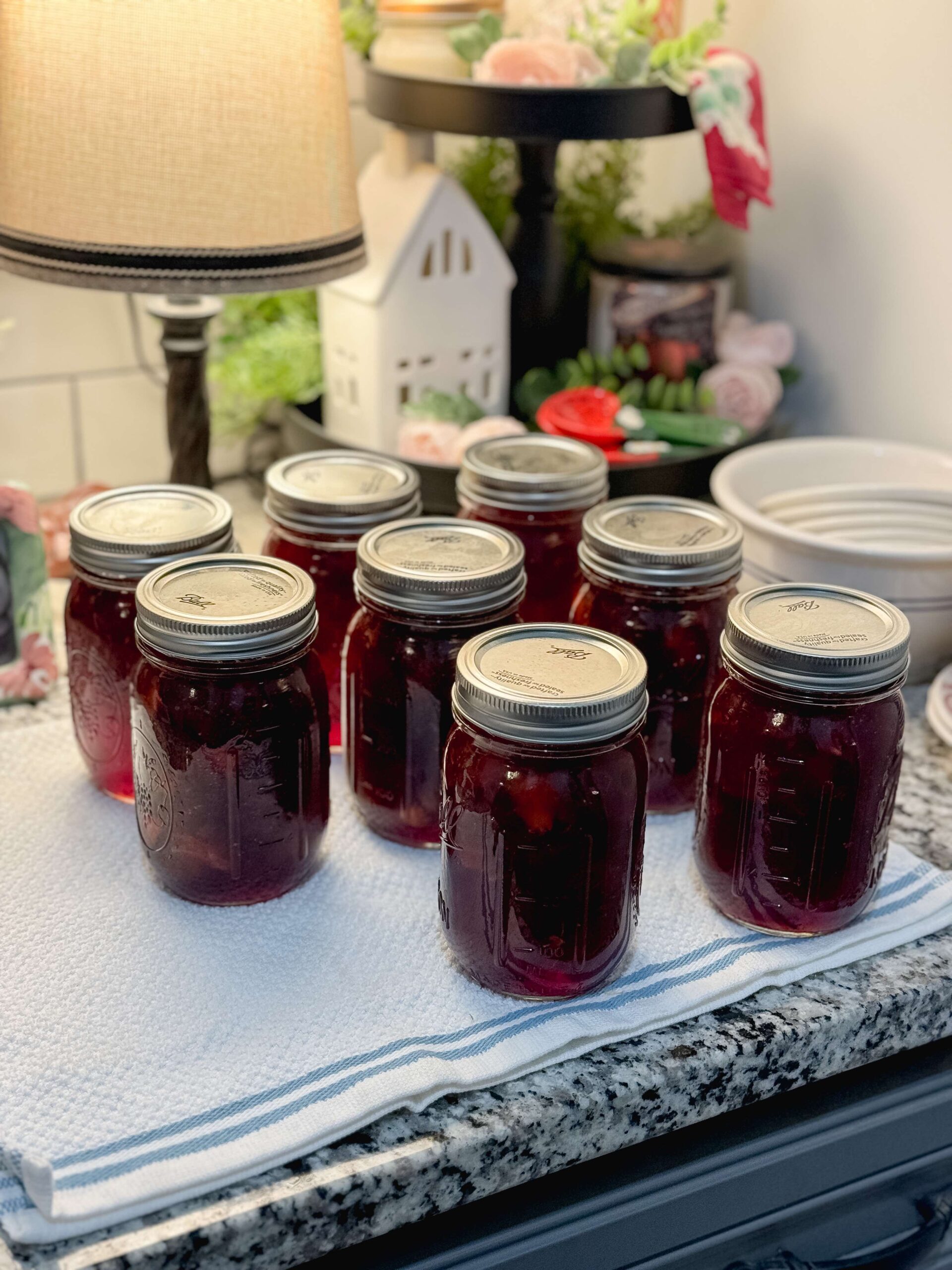
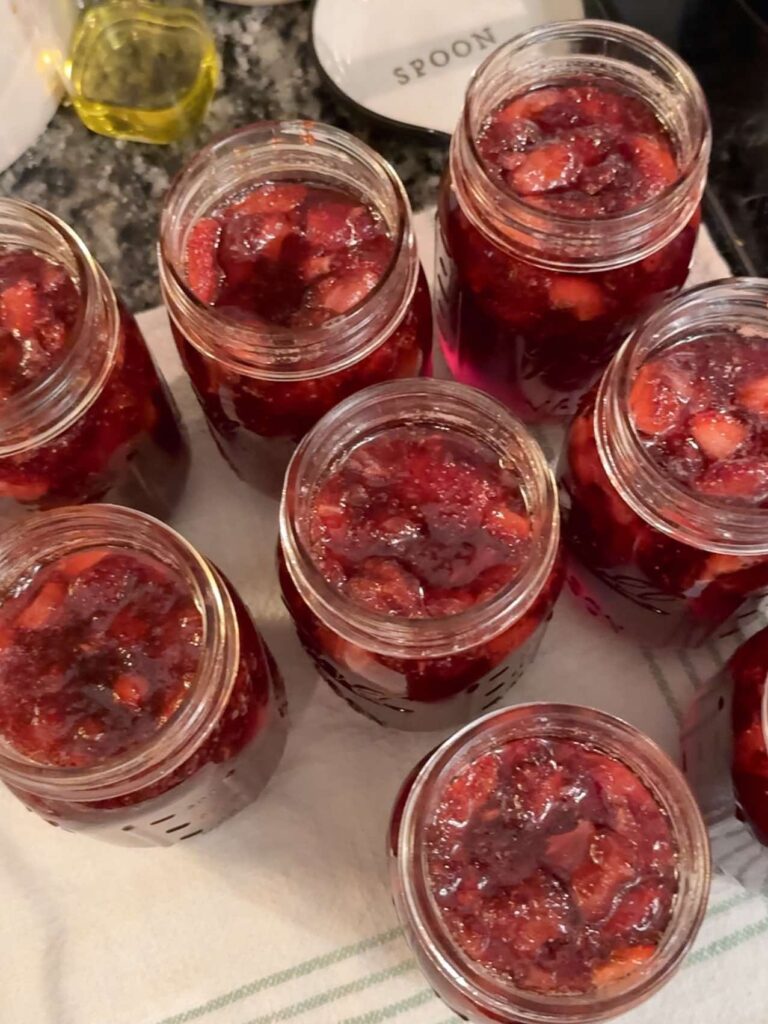
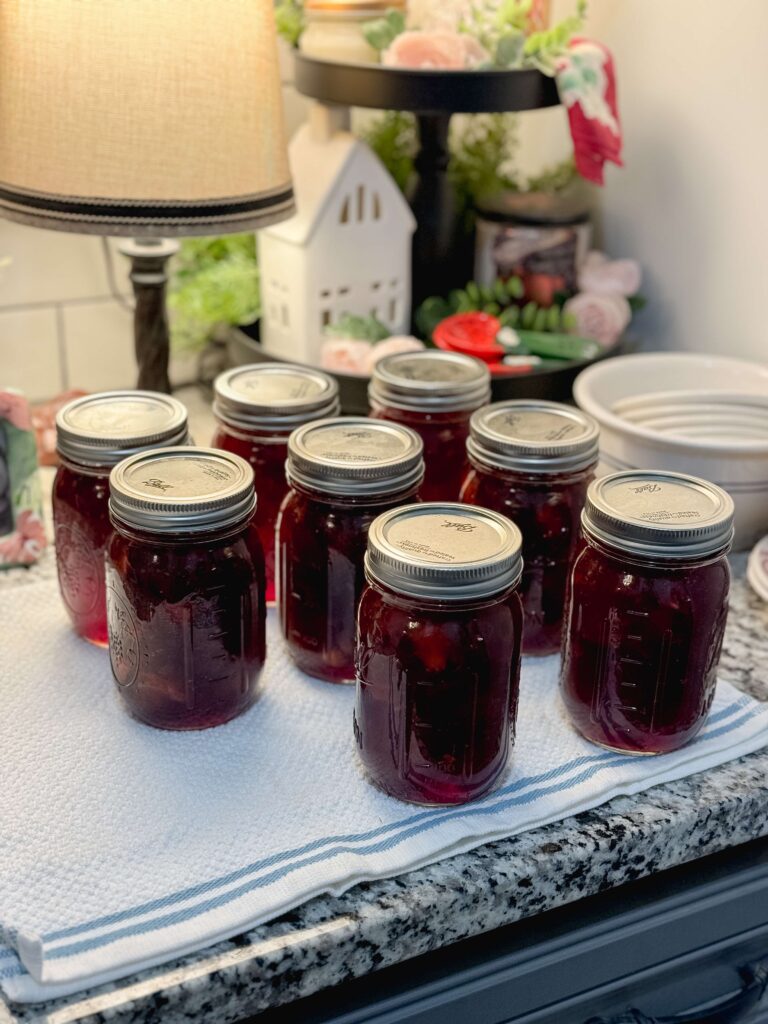
My kitchen counter is covered in canning jars right now. Not the pretty, lined-up-in-rows kind you see on Pinterest — the kind that are still sticky from last week’s peaches, half of them missing lids, one stack threatening to topple every time I walk past.
And if you’d told me a few years ago that this was what a prepared home looked like, I probably would have laughed you out of the kitchen.
So here’s my question for you today: what’s stopping you from starting?
I used to think preparedness meant having it all figured out. A pantry inventory system. A rotation schedule. Shelves that looked like a magazine spread instead of a science experiment. And because I didn’t have any of that, I told myself I wasn’t the kind of person who does this.
Turns out, that’s a lie a lot of us believe.
The Prepared Home
Here’s the truth I’ve had to relearn more than once: preparedness isn’t a finish line. It’s not a state you arrive at and then maintain forever with zero mess and zero mistakes. It’s simply a way of living; a quiet, steady choice, day after day, toward wisdom instead of panic.
Proverbs 31 doesn’t describe a woman with a perfectly organized pantry. It describes a woman who considers a field and buys it and who is not afraid of snow for her household, for all her household are clothed in scarlet (Proverbs 31:16, 21). She thought ahead. She planned. But nothing in that passage suggests she did it flawlessly, or that her storage room ever looked Instagram-ready.
That’s the heart behind The Prepared Home — the newest track here at The Homemaker’s Society, and one I’ve been wanting to build for a long time.
This isn’t about doomsday prep or fear. It’s about knowing you have what you need when the power flickers off, when the budget gets tight, or when you lose a job, or even when the growing season is generous and you don’t want to waste a single tomato. It’s about building margin into your home so that when life throws something unexpected your way — and you know it will — you’re not starting from zero.
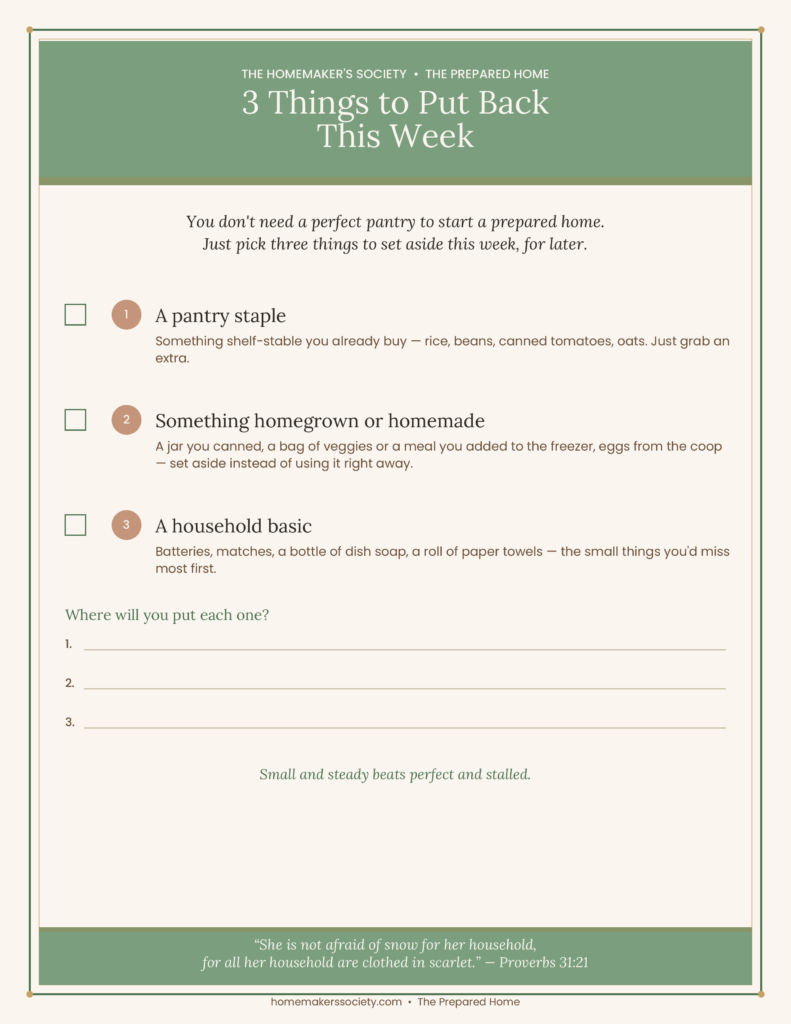
Being prepared doesn’t happen overnight. It happens in small choices each week to buy a few extra cans when they go on sale or checking to see that your water stores are still adequate. One jar of something you grew or a freezer meal, put back for later.
It also looks like a conversation with your family about what you’d do if the power went out for three days. Or an evening spent writing down what’s actually in your freezer instead of guessing.
I’ll be honest with you — I am not the most naturally prepared person. I forget things. I’ve opened jars I canned two summers ago and had no idea what was inside because I didn’t label them. I have run out of propane at the worst possible moment.
The Homemaker’s Path
This track isn’t me teaching you from some pedestal of perfect readiness. It’s me building it right alongside you. If you don’t know what I’m talking about, The Homemaker’s Path has 5 Main Tracks + 8 Specialty Tracks. Don’t know where to start? Take the free quiz here!
But I’ve been living this way for so long now that even if it’s not perfect, if we had another pandemic or there was a natural disaster, I could go weeks without leaving the house and we’d be just fine.
So if you’ve been putting off getting started because you don’t have the perfect setup, the perfect system, or the perfect pantry — friend, neither do I.
Perfection is never required. It’s really more about purpose.
Action Steps to Take Today
- Pick one shelf, drawer, or corner of your kitchen and take five minutes to see what’s actually there — no reorganizing required yet, just looking.
- Write down three things your family would need most in a short-term disruption (power outage, unexpected expense, sick week) — this becomes your starting list.
- Set aside one item this week — a jar, a canned good, a bag of rice — specifically for “later,” even if you don’t have a system for it yet.
- Talk with your family about what preparedness means in your home, so it feels like a shared rhythm instead of one more thing on your plate alone.
- Join us in The Prepared Home track inside The Homemaker’s Society, where we’ll walk through this one small, steady step at a time.
You don’t need a perfect pantry to start building a prepared home. You just need to begin.